Need help right now?
This information is general education only and is not a substitute for professional medical advice. If something here rings true for you, the best next step is a chat with your GP — and if you're in crisis right now, call Lifeline on 13 11 14, or 000 if life is in danger.
If you're not sure whether it's serious enough to get help, get help anyway.
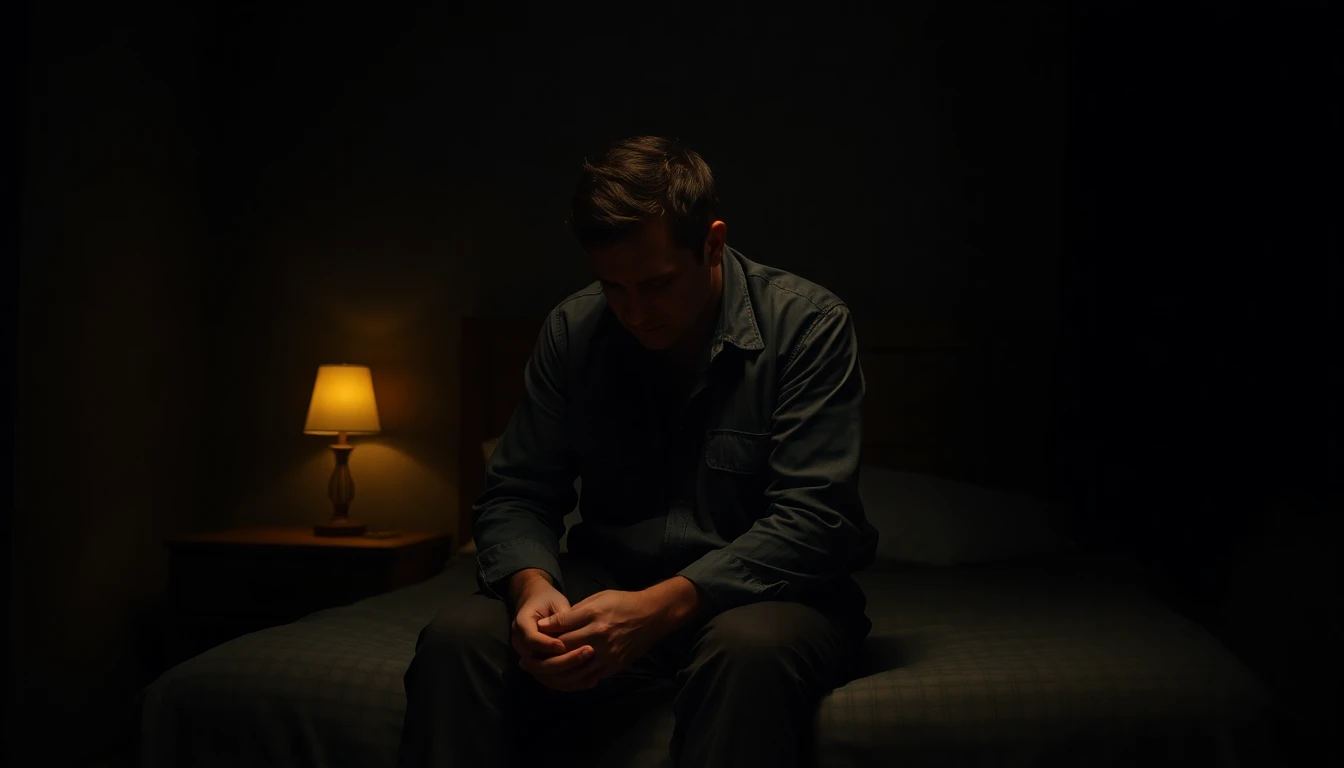
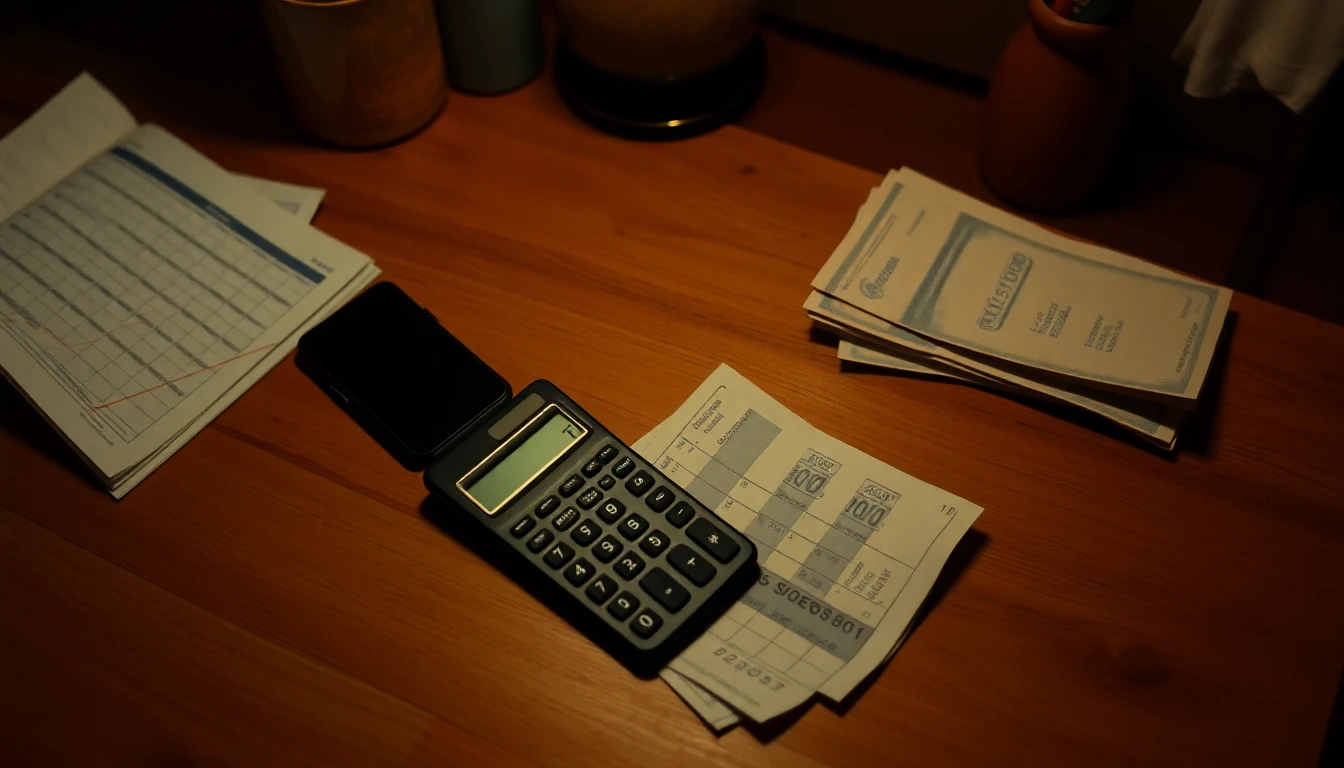
There's a particular weight a lot of blokes carry alone: money he's ashamed of. The credit card he's hidden. The gambling hole he keeps meaning to climb out of. The mortgage stress he hasn't told his wife about because telling her makes it real. Or just the quiet, grinding sting of earning less than he thinks he should — less than his mates, less than his partner, less than the bloke he pictured being by now.
If that's you, read this slowly. Money shame is one of the most common things men carry and one of the least spoken about — and the silence is the dangerous part, not the money. Whatever the number is, it has a fix. The shame is the thing we need to deal with first.
What's actually going on?
For a lot of men, money isn't just money. It's the scorecard. Provider, breadwinner, the one who's got it handled — those roles run deep, so a money problem doesn't land as "a budgeting issue." It lands as "I'm failing as a man." That's why it triggers shame, not just stress, and shame behaves differently: stress makes you act, shame makes you hide.
So the debt goes in a drawer. The statements get deleted. You take it to the grave before you take it to your partner — because saying it out loud feels like confessing you're not who you're supposed to be.
Key point: Money trouble doesn't trigger stress in most blokes — it triggers shame. And shame makes you hide it, which is exactly what lets it grow.
Here's the truth the shame hides from you: nearly everyone has money trouble at some point, money problems are fixable with help, and the bloke who asks for that help early loses a lot less than the one who white-knuckles it in secret for two years.
The shame spiral
Money shame runs a predictable, brutal loop:
- Something goes wrong — a debt, a loss, a shortfall.
- Shame says don't tell anyone, sort it yourself.
- Hidden, it grows — interest, more bets to chase it, more avoidance.
- The secret gets heavier, the shame gets deeper, and telling someone feels even more impossible.
Round and round. And it can get dark: financial shame is strongly linked to men's mental health crises, because it hits identity right where it hurts and it's carried in silence. If your head has gone to they'd be better off without me or I'm worth more to them gone — stop. That is the shame lying to you, not a fact. Your family needs you, not your money. Call Lifeline on 13 11 14 now, and read when the thoughts get heavy.
What to do
You don't fix the number first. You break the secret first.
- Tell one person the real figure. A partner, a brother, a mate, or a free financial counsellor. Saying the actual number out loud is the single hardest and most powerful step — it ends the spiral. "I've got myself into a hole and I need a hand" is enough.
- Ring a free financial counsellor. This is the big one most blokes don't know exists: the National Debt Helpline — 1800 007 007 — free, confidential, not-for-profit. They deal with debt, hardship, Centrelink and creditors all day, they don't judge, and they know options you don't (hardship arrangements, payment plans, what creditors must do).
- If gambling's part of it, that's its own beast with its own free help — Gambler's Help 1800 858 858 and our gambling guide.
- Separate the money job from the shame job. The money has a map (counsellors, plans, time). The shame shrinks the moment it's spoken. Work both, but the speaking comes first.
- If it's the "earning less than her / less than I should" sting — that's an identity story worth examining, not a fact about your worth. Your value to the people who love you was never your pay packet. Men and masculinity digs into that script.
Key point: You don't fix the number first — you break the secret first. Said out loud to one safe person, the shame loses most of its power immediately.
Key point: Free financial counsellors (National Debt Helpline 1800 007 007) deal with debt, hardship and creditors all day — they don't judge, and they know options you don't.
Where to get help
- National Debt Helpline — 1800 007 007. Free, confidential financial counselling. Start here.
- Gambler's Help — 1800 858 858. Free, 24/7, including for family.
- MensLine Australia — 1300 78 99 78. Free, any hour, for the head side of it.
- Lifeline — 13 11 14. If the weight of it gets to be too much.
- Your GP — a Mental Health Care Plan gets you a psychologist to work on the shame underneath.
Did this help?
Last reviewed: June 2026 by B. Faulds. We re-check every page, link and phone number at least every six months.