Need help right now?
This information is general education only and is not a substitute for professional medical advice. If something here rings true for you, the best next step is a chat with your GP — and if you're in crisis right now, call Lifeline on 13 11 14, or 000 if life is in danger.
If you're not sure whether it's serious enough to get help, get help anyway.
If your first thought reading this was "here we go, another lecture about screen time" — fair enough. But that's not what this is. Gaming is one of the best hobbies going. It's social, it's challenging, it's a proper skill, and for a lot of blokes it's where their mates are. Nobody here is telling you to bin the console and take up jogging at dawn.
This is about something different: that point where gaming or scrolling stops being the thing you do and starts being the thing that runs you. Where you're up until 3am again, you've bailed on plans you actually wanted to keep, and the rest of your life is quietly shrinking around the edges of your screen time. If that sounds a bit close to home, you're not broken and you're not weak. You've just drifted into a pattern — and patterns can be changed.
The good news is you don't have to quit gaming to fix this. Most blokes who get on top of it end up gaming less but enjoying it more, because it's a choice again instead of a default. Here's how it works, and what you can do about it.
What's actually going on?
First thing to understand: it's not just you, and it's not a willpower problem. Games and apps are built by very smart people whose job is to keep you playing and scrolling. That's not a conspiracy theory — it's the business model.
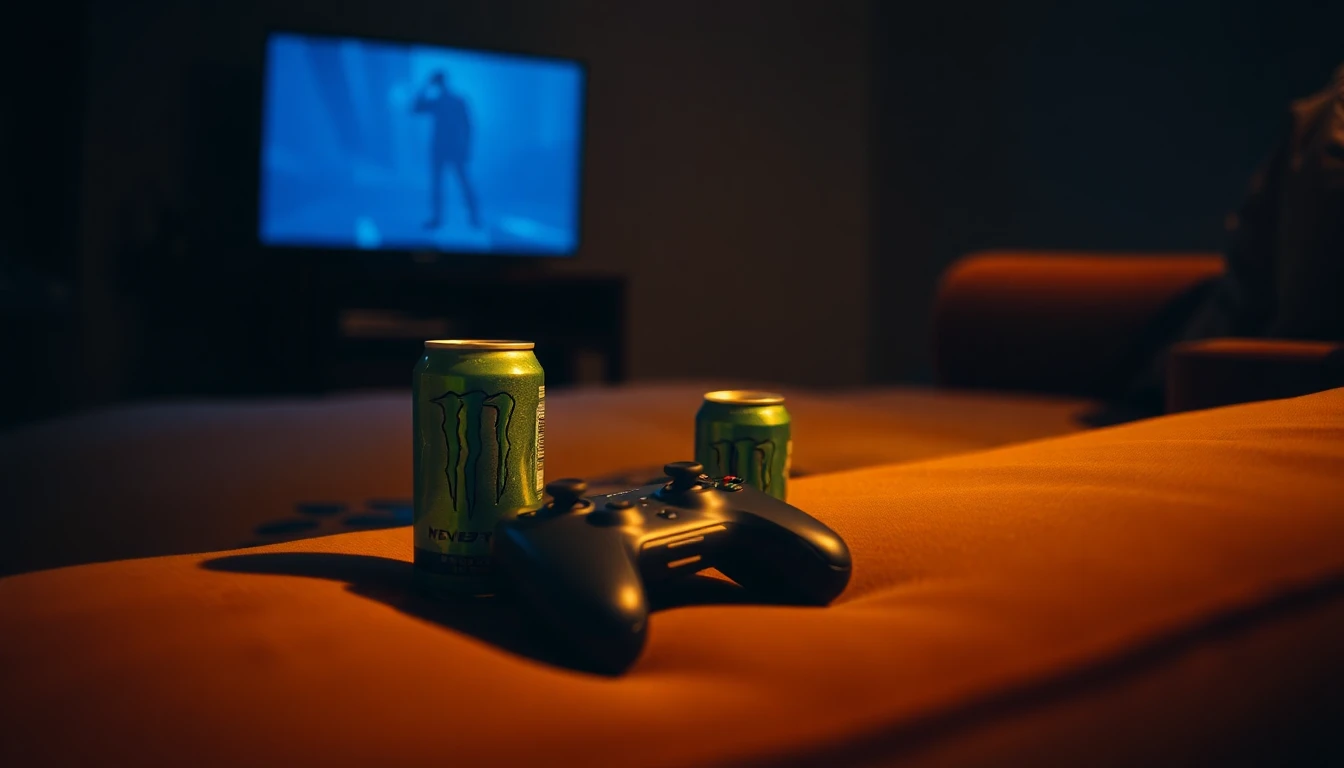
Think about how modern games work. There's always one more level, one more rank, one more battle pass tier. Daily login rewards punish you for taking a day off. Loot boxes give you that little hit of "maybe this time" — which, by the way, is exactly the same psychological trick poker machines use. Random rewards for money is gambling mechanics with a paint job, and plenty of blokes have racked up real debt on skins and packs without ever setting foot in a pub with pokies. Phones are the same deal: endless feeds, notifications that yank you back, algorithms tuned to your weak spots. The whole setup is designed so that "just one more" never ends.
Then there's the other half of it: screens are an excellent escape hatch. Stressed about work or uni? Game. Bored? Scroll. Lonely, flat, anxious? There's a lobby full of mates online and a feed that never runs out. None of that is bad on its own — everyone needs a way to switch off. The trouble starts when the screen becomes your only way of dealing with stuff. The stress and the loneliness are still there when you log off, except now you've also lost sleep and skipped the things that might actually fix them.
That's the real line between "good time" and "problem". It's not the hours by themselves. It's what those hours are crowding out. When gaming or scrolling is regularly costing you sleep, real-life mates, study or work, and your mood is worse for it — that's when it's tipped over.
Key point: It's not a willpower problem — games and apps are built by very smart people whose job is to keep you on them.
Signs to look for
You don't need to tick all of these. A few of them showing up regularly is worth paying attention to:
- You sit down for an hour and surface four hours later, way past what you meant to play or scroll
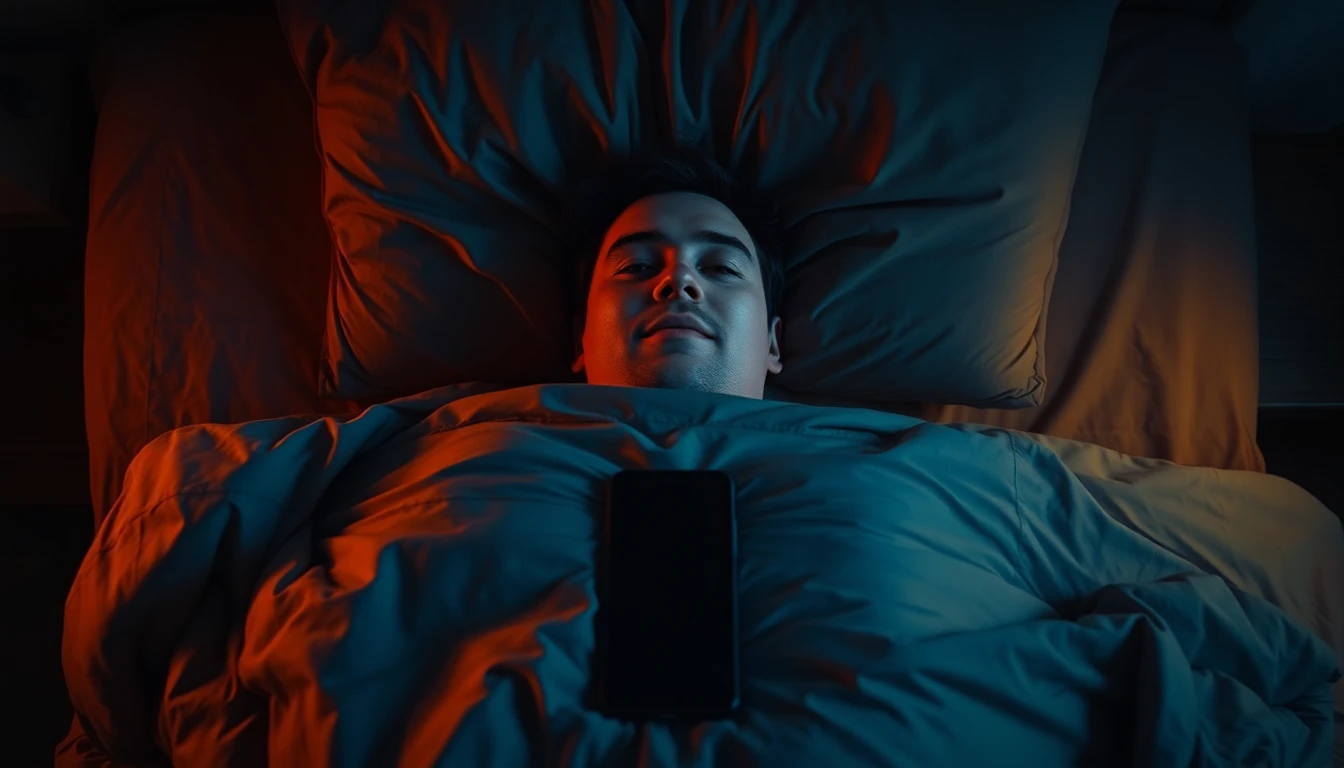
- You're losing sleep — staying up until stupid o'clock, then dragging through the next day
- You're ditching real-life plans, or just not making them anymore, because gaming's easier
- You get irritable, restless or flat when you can't play, or when someone interrupts you
- You reach for the screen to avoid feelings — stress, boredom, loneliness, sadness — rather than just for fun
- Study or work is sliding: missed deadlines, can't focus, calling in sick to play
- Relationships are copping it — partner, family or mates have said something, more than once
- You're spending money you regret on skins, loot boxes or microtransactions, and maybe hiding how much
The simplest test: is gaming adding to your life, or replacing it?
Key point: The game or the feed usually isn't the real issue — it's what it's helping you avoid.
A bloke who's been there
Tyler, Brisbane
What it was like. What changed. What's different now. · 1:18
An illustrated story produced by mentalhealth.men — a true-to-life account, not a real individual.
What to do right now
Small moves, starting today. You don't need to overhaul your life by Friday:
- Do an honest time audit. Your phone already tracks it — Screen Time on iPhone, Digital Wellbeing on Android. Consoles and Steam track playtime too. Look at the real number without flinching.
- Set actual limits, with actual timers. Decide before you sit down: "two games" or "off at 11". Set an alarm in another room so you have to get up. Vague intentions lose to game design every time.
- Get the phone out of the bedroom. This one punches way above its weight. Charge it in the kitchen, buy a $15 alarm clock. Better sleep makes every other part of this easier.
- Swap one gaming block for one real-world thing. Not all of it — one block. A gym session, a kick of the footy, coffee with a mate, even a walk. You're not cutting fun, you're adding variety.
- Notice the trigger feeling. Next time you reach for the controller or start scrolling, take two seconds: what am I actually feeling right now? Bored? Stressed? Avoiding something? Just noticing it starts to loosen the autopilot.
Key point: You don't have to give up your hobby. The aim is getting it back to something you choose, not something that runs you.
What to do over time
The quick fixes get you breathing room. The longer game is about what the screen time was doing for you:
- Talk to a psychologist. Heavy gaming and scrolling often sit on top of something else — anxiety, low mood, social stress, or just having no other way to unwind. A psych can help with the underlying stuff and the habit change. Your GP can set you up with a Mental Health Care Plan, which gets you Medicare-subsidised sessions.
- If you're 12–25, headspace is built for you. Free or low-cost, used to talking with young blokes, and they won't blink at gaming being part of the picture. Centres all over Australia, plus online and phone support.
- Rebuild offline connection and routine. Online mates are real mates — but you need some life that doesn't live in a server. Regular sleep and wake times, some movement, one or two standing things in your week.
- Treat what it's covering for. If gaming is how you've been managing loneliness, anxiety or feeling flat, those need their own attention — otherwise you'll white-knuckle the screen time down and it'll creep straight back.
- If compulsive habits are the pattern, SMART Recovery Australia runs free group meetings (in person and online) for any behaviour that's gotten away from you — no labels, no religion, just practical tools.
When it's an emergency
Sometimes heavy screen time isn't the problem — it's the hiding spot. If the low mood and isolation underneath it are taking you somewhere dark, or you're having thoughts of hurting yourself, that's not something to ride out alone in your room.
If you or someone else is in immediate danger, call 000. If you're struggling and need to talk to someone right now, call Lifeline on 13 11 14 — any time, day or night. Saying "I'm not going well" out loud to another human is one of the strongest moves a bloke can make.
Where to get help
- Your GP — the standard first stop. Ask about a Mental Health Care Plan, which gives you Medicare-subsidised psychologist sessions.
- headspace (headspace.org.au) — free or low-cost mental health support for 12–25 year olds, in person at centres around Australia or online. A great fit if gaming and screens are part of what's going on.
- ReachOut (au.reachout.com) — practical, judgement-free info on mental health, gaming and screen habits for young people, plus peer support forums.
- SMART Recovery Australia (smartrecoveryaustralia.com.au) — free group meetings for compulsive behaviours of any kind, including gaming.
- Gambling Help Online (gamblinghelponline.org.au, 1800 858 858) — if loot boxes or in-game spending have turned into a money problem you can't control, this is the right door. Free, confidential, 24/7.
- MensLine Australia (1300 78 99 78, mensline.org.au) — 24/7 phone and online counselling for blokes.
- Lifeline (13 11 14, lifeline.org.au) — 24/7 crisis support.
Sources and further reading
- ReachOut Australia — Gaming — straight-up info on when gaming helps and when it hurts
- headspace — Mobile phone and internet use — screens, sleep and mental health for young people
- eSafety Commissioner — Online gaming — Australian Government guidance on gaming and balance
- Gambling Help Online — how loot boxes and in-game purchases overlap with gambling
- Healthdirect — Internet gaming disorder — plain-English overview of when gaming becomes a clinical concern
- SMART Recovery Australia — how the free group program works
Did this help?
Last reviewed: June 2026 by B. Faulds. We re-check every page, link and phone number at least every six months.