Need help right now?
This information is general education only and is not a substitute for professional medical advice. If something here rings true for you, the best next step is a chat with your GP — and if you're in crisis right now, call Lifeline on 13 11 14, or 000 if life is in danger.
If you're not sure whether it's serious enough to get help, get help anyway.
If you're reading this, something's probably been off for a while. Maybe your chest gets tight for no good reason. Maybe your brain won't shut up at 2am. Maybe you've been snapping at people you love and you don't really know why.
You're not weak, and you're not losing it. Anxiety is one of the most common mental health issues in Australia — Beyond Blue says it's one of the most common mental health issues men face. Most blokes just never talk about it. This page is here so you don't have to figure it out alone.
What's actually going on?
Anxiety is your body's alarm system stuck in the "on" position.
The alarm itself is normal. It's the thing that sharpens you up before a job interview or makes you check your mirrors twice. Useful, in small doses.
Anxiety becomes a problem when the alarm keeps going off with no real fire — and won't switch off. Your body floods with stress hormones. Your heart rate climbs. Your muscles brace. Your brain hunts for threats, finds none, and invents some.
Key point: Anxiety often doesn't feel like anxiety in blokes. It feels like anger, restlessness, or working yourself into the ground.
Do that for weeks or months and it wears you down. You feel tired but wired. Small problems feel huge. You start avoiding things — phone calls, social stuff, paperwork — because avoiding gives you a moment of relief. Trouble is, avoidance feeds the anxiety, and the list of things you avoid gets longer.
Key point: Avoidance feels like relief, but it feeds anxiety — every time you dodge something, the list of things you're scared of gets longer.
Two things worth knowing straight up:
- It's physical, not just "in your head". The churning gut, the tight chest, the shallow breathing — that's real body chemistry, not imagination.
- It's very treatable. Anxiety responds well to treatment — Healthdirect has a good plain rundown of the options. Most blokes who get help get noticeably better.
Signs to look for
Anxiety in men often doesn't look like worry. It often looks like anger, drinking, or working yourself into the ground. Have an honest look at this list:
In your body
- Tight chest, racing heart, or feeling short of breath
- Churning or unsettled gut, going off your food
- Trouble getting to sleep, or waking at 3am with your mind racing
- Tense shoulders, clenched jaw, headaches
- Feeling tired all the time, even after sleep
In your head
- Worry that jumps from one thing to the next and won't settle
- Always expecting the worst-case scenario
- Trouble concentrating — reading the same email three times
- Feeling on edge, like something bad is about to happen
In what you do
- Short fuse — snapping at your partner, kids, or workmates
- Avoiding things: calls, bills, social invites, the doctor
- Drinking or smoking more to "take the edge off"
- Working longer and longer hours to outrun the feeling
- Going quiet and pulling away from people
A rough rule of thumb: if a few of these have been hanging around for more than a couple of weeks, and they're getting in the way of work, sleep, or the people you care about — it's time to do something about it. Not because you're broken. Because you'd do the same for a dodgy knee.
What to do right now
If anxiety is spiking right now — heart hammering, thoughts racing — here are things that actually help in the moment. None of them are a cure. They're circuit breakers.
- Slow your breathing out. Breathe in through your nose for four counts, out through your mouth for six. The long, slow breath out is the bit that calms the alarm. Do it for two or three minutes.
- Ground yourself with 5-4-3-2-1. Name five things you can see, four you can hear, three you can touch, two you can smell, one you can taste. Sounds daft. Works. It drags your brain out of the spiral and back into the room.
- Move. Walk around the block. Hard and fast if you can. Anxiety is your body geared up for action — give it some action and it settles quicker.
- Cold water. Splash your face, or run cold water over your wrists for thirty seconds. It nudges your nervous system back down a gear.
- Say it to someone. A mate, your partner, or MensLine on 1300 78 99 78 — free, 24/7, blokes who get it. Saying "I'm not travelling well" out loud takes a surprising amount of pressure off.
What not to do right now: don't reach for a drink to settle it. It works for an hour and makes tomorrow's anxiety worse. That trade never pays off.
Key point: Anxiety is your body's alarm system stuck on — it's real body chemistry, not imagination, and it's very treatable.
What to do over time
The in-the-moment stuff gets you through today. These are the things that actually shrink anxiety over weeks and months:
- See your GP. This is the single best move, and it's covered in the next section. Anxiety is bread-and-butter stuff for GPs — you will not be the first bloke that week to bring it up.
- Talk therapy works. The main one for anxiety is CBT (cognitive behavioural therapy). It's practical, not lying-on-a-couch stuff — it teaches you how the worry loop works and how to break it. Black Dog Institute explains the evidence in plain terms.
- Move most days. Regular exercise is genuinely one of the best treatments going for anxiety. It doesn't have to be a gym program — a daily walk, a kick of the footy, a swim. Consistency beats intensity.
- Sort your sleep. Anxiety wrecks sleep, and bad sleep feeds anxiety. Same bedtime, screens away from the bed, and keep coffee to the morning.
- Cut back the accelerants. Alcohol, energy drinks, and doom-scrolling all crank the dial up. You don't have to be a monk — just notice what makes the next day worse.
- Stay connected. Anxiety tells you to cancel and stay home. Do the opposite when you can. A regular catch-up — training, a beer with a mate (one, not six), a phone call — is protective.
- Try a free online program. If you're not ready to talk to anyone yet, ReachOut and Beyond Blue have free, anonymous tools and coaching programs you can start tonight.
Pick one of these and start this week. Don't try to overhaul your whole life on a Tuesday.
Where to get help
Here's exactly how getting proper help works in Australia — it's cheaper and simpler than most blokes think.
Step 1 — Book a longer appointment with your GP. When you book, ask for a long appointment for a mental health chat. You don't need to rehearse a speech. "I've been anxious for a few months and it's affecting work and home" is plenty.
Step 2 — Ask about a Mental Health Care Plan. Your GP can set up a GP Mental Health Treatment Plan. This is the key that unlocks Medicare-rebated sessions with a psychologist — a set number of subsidised sessions each year (your GP can explain how many you can get). Depending on the psychologist, sessions are either bulk-billed (free) or partly rebated. Healthdirect explains how the plan works.
Step 3 — Find a psychologist. Your GP will usually refer you to someone. You can also search yourself through Medicare Mental Health — the government's finder for local and online services — or call them on 1800 595 212 (free) and they'll point you in the right direction. Waitlists can be a few weeks; book anyway and use the free phone lines in the meantime.
Any time, free, 24/7:
- MensLine Australia — 1300 78 99 78 — counselling for men, by phone or online chat
- Beyond Blue — 1300 22 4636 — anxiety and depression support line
- Lifeline — 13 11 14 — when things feel like too much
- 13YARN — 13 92 76 — for Aboriginal and Torres Strait Islander mob, run by mob
One more thing: if money's tight, say so. Tell the GP you need bulk-billing, and ask Medicare Mental Health about free services. Cost should never be the reason you don't get help.
A bloke who's been there
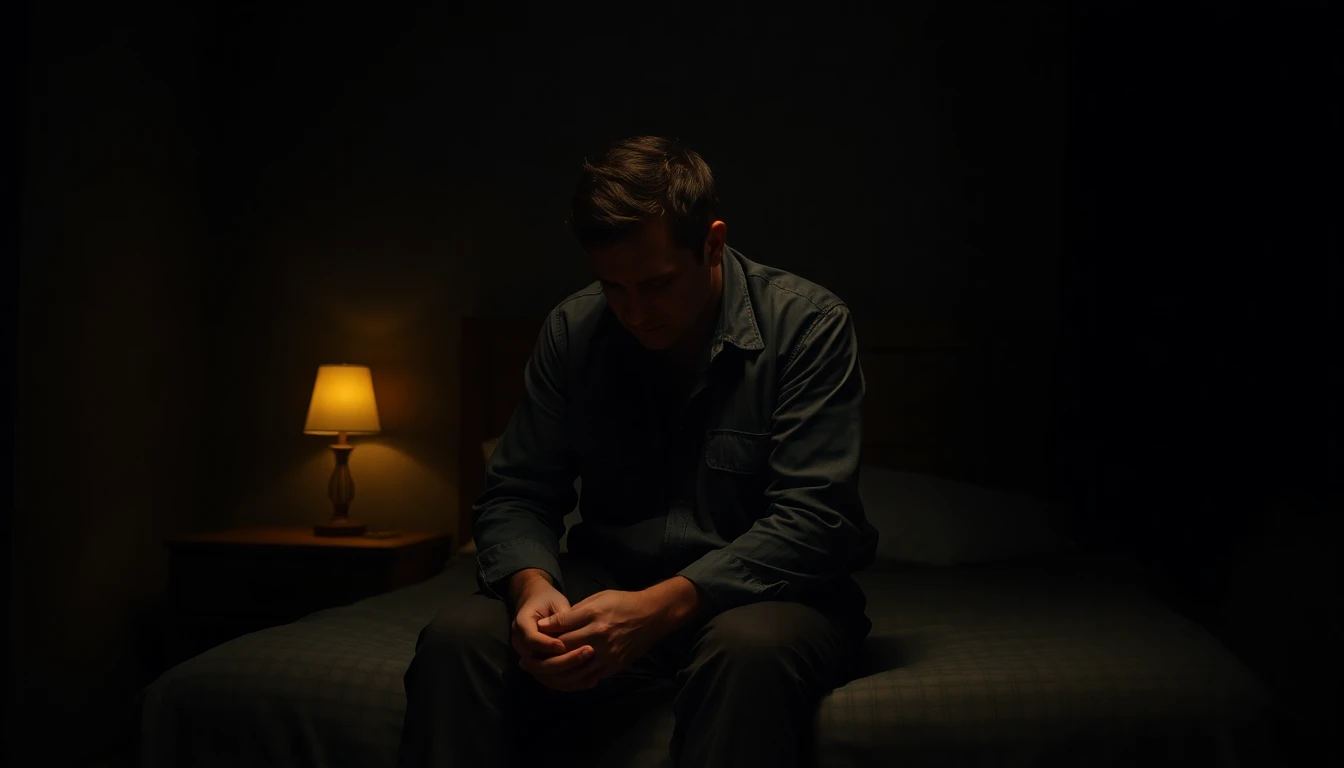
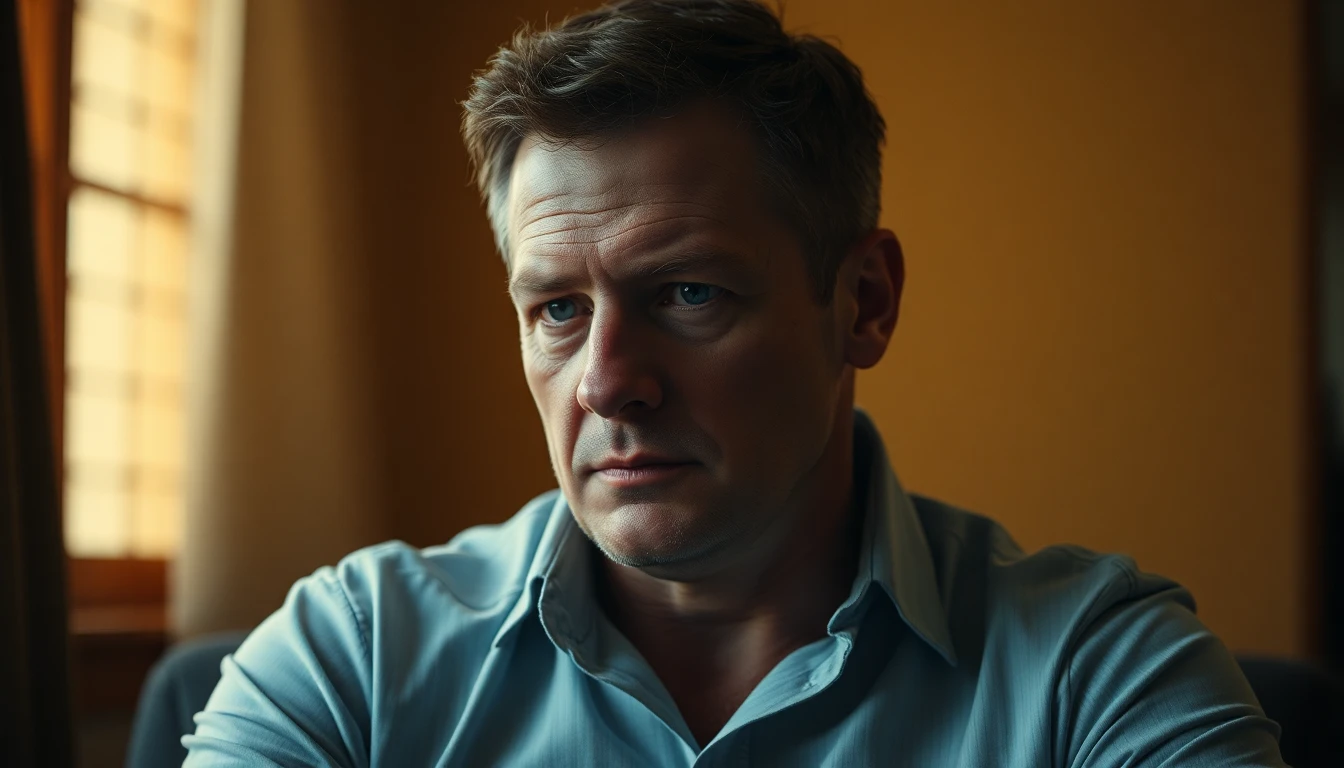
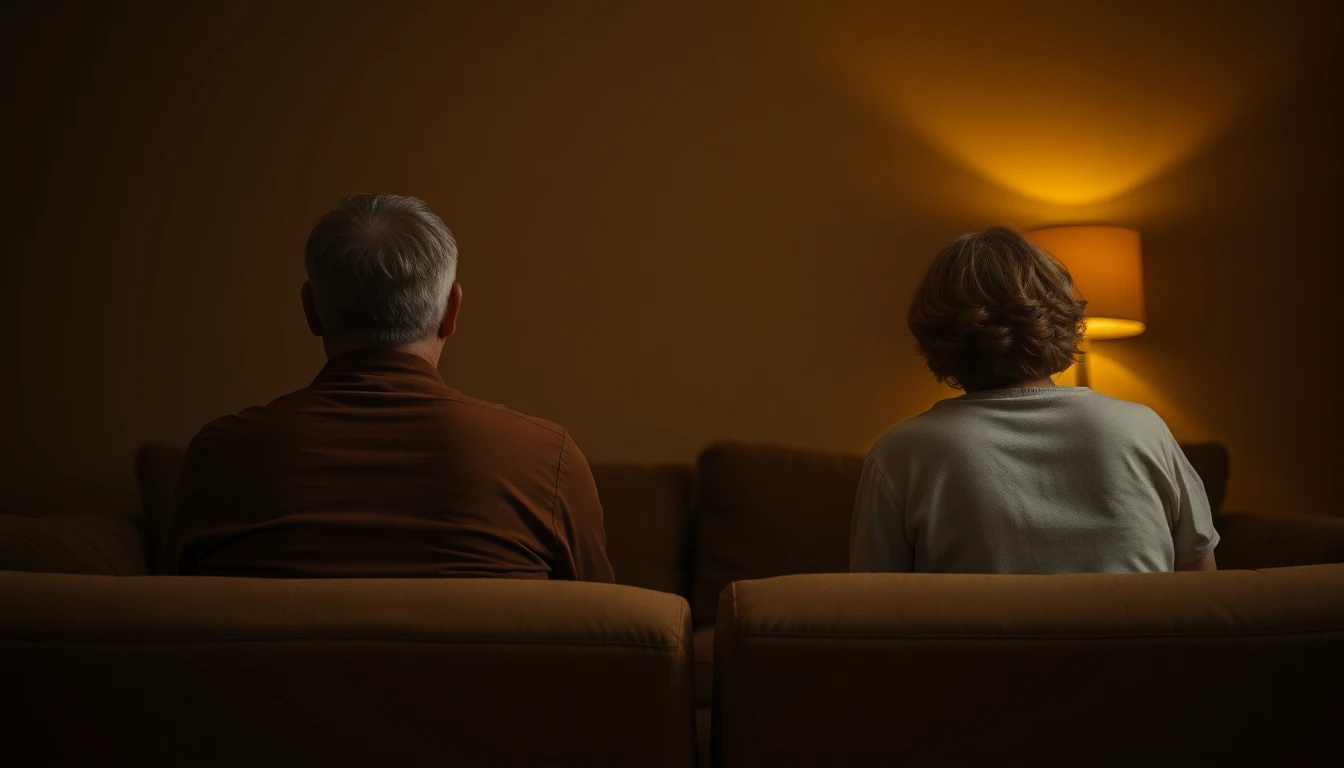
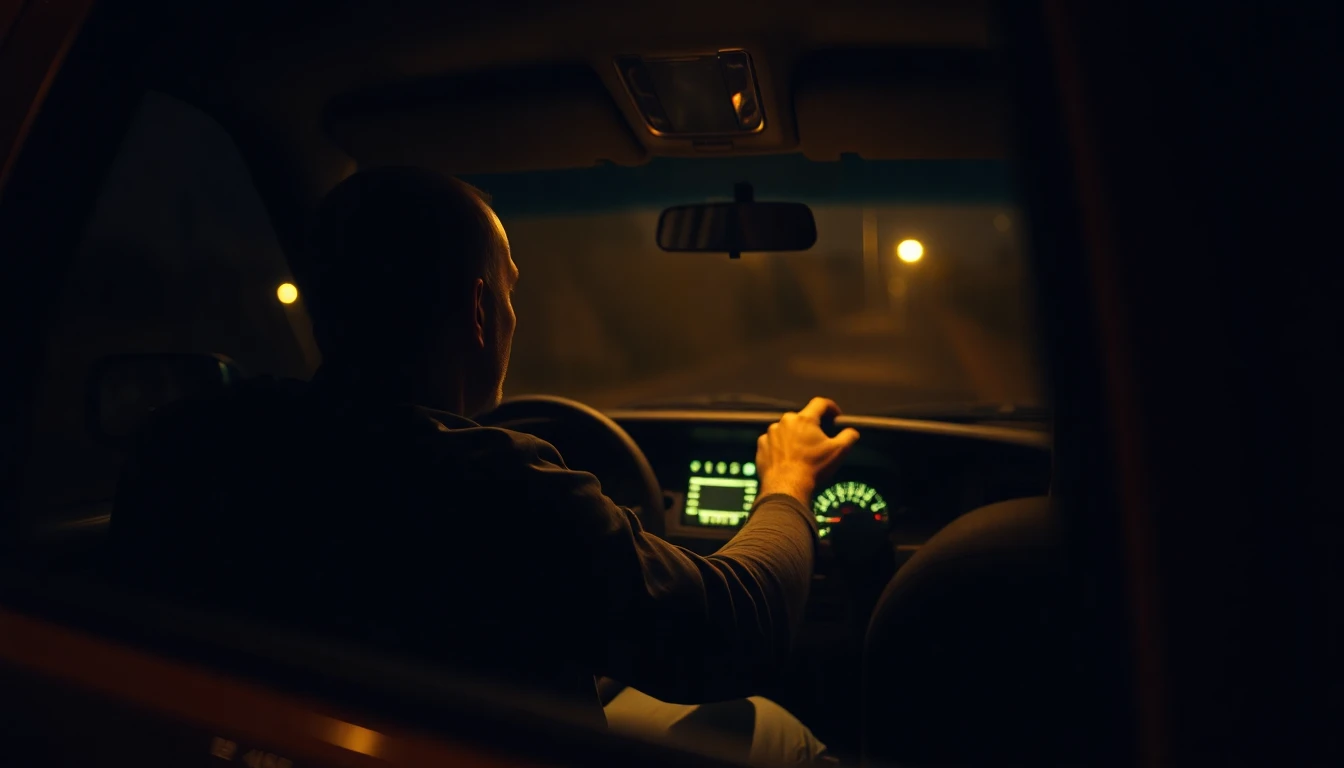
Dave, Geelong
What it was like. What changed. What's different now. · 1:17
An illustrated story produced by mentalhealth.men — a true-to-life account, not a real individual.
When it's an emergency
Sometimes anxiety — or the exhaustion that comes with it — can slide into a darker place. If you're having thoughts of suicide, or you feel like you can't keep yourself safe, that is an emergency and you deserve immediate help.
- If life is in danger right now, call 000.
- Lifeline — 13 11 14 (24/7, call or text)
- Suicide Call Back Service — 1300 659 467 (24/7, specialised counsellors)
- 13YARN — 13 92 76 (24/7, Aboriginal & Torres Strait Islander crisis support)
You can also go straight to your nearest hospital emergency department and tell them how you're feeling. They deal with this every day, and they will help.
Reaching out when it's this heavy isn't weakness. It's the strongest, smartest thing a bloke can do — and things genuinely do get better with the right help.
Sources and further reading
- Beyond Blue — Anxiety — clear overview of types, signs and treatments. beyondblue.org.au
- Healthdirect — Anxiety — government health info, including GP and Medicare pathways. healthdirect.gov.au
- Black Dog Institute — Anxiety resources — the evidence behind what works. blackdoginstitute.org.au
- MensLine Australia — men's counselling, 24/7, phone and online. mensline.org.au
- Medicare Mental Health — find free and low-cost services near you. medicarementalhealth.gov.au
Did this help?
Last reviewed: June 2026 by B. Faulds. We re-check every page, link and phone number at least every six months.