Need help right now?
This information is general education only and is not a substitute for professional medical advice. If something here rings true for you, the best next step is a chat with your GP — and if you're in crisis right now, call Lifeline on 13 11 14, or 000 if life is in danger.
If you're not sure whether it's serious enough to get help, get help anyway.
You know the moment. Something small sets you off — a comment, the kids fighting, some bloke cutting you off in traffic — and before you've even thought about it, you've gone off. Yelled. Punched a wall. Said something you can't take back. Then comes the bit nobody talks about: the silence afterwards, the look on your partner's face, and that sick feeling in your gut when the heat drains away and you're left with what you just did.
If your temper is causing you grief — at home, at work, on the road — you're not broken and you're not a bad bloke. But you've probably worked out by now that "just calm down" doesn't cut it, and white-knuckling it only lasts until the next time. Here's the truth worth holding onto: anger like this is one of the most fixable problems in men's mental health. Plenty of blokes have stood exactly where you're standing and turned it around. Not by becoming a different person — by understanding what's actually driving it and learning a better way to handle it.
That starts with being honest about what's going on. So let's do that.
What's actually going on?
Here's the thing most of us were never told: for a lot of Aussie men, anger is the only emotion we ever got permission to show. Sad? Toughen up. Scared? Don't be soft. Hurting? Get on with it. But angry — angry was allowed. So everything else learnt to come out the same door.
That's why anger so often sits on top of something else. Underneath a short fuse you'll often find anxiety, depression, old trauma, grief that never got dealt with, shame, burnout, money stress, ADHD, or the feeling that your life is out of your control and nothing you do changes it. The anger is real, but it's the smoke, not the fire.
And here's the other thing: anger itself isn't the enemy. It's a normal human emotion and a useful signal. It tells you something's wrong — you're hurt, you're threatened, something matters to you and it's being trampled. The problem isn't feeling angry. The problem is what happens when anger runs the show: when it makes your decisions, drives your car, talks to your kids, and leaves you cleaning up the damage afterwards.
So the job isn't to never get angry. The job is to work out what your anger is trying to tell you, and to stop it taking the wheel. Both of those are learnable.
Key point: For a lot of Aussie men, anger is the only emotion we ever got permission to show — so hurt, fear and shame all come out the same door.
Signs to look for
Be honest with yourself here. How many of these sound familiar?
- A short fuse. Small things set you off — noise, mess, being asked a question at the wrong time.
- Road rage. You're a different person behind the wheel. Tailgating, yelling, getting out of the car.
- Snapping at your partner and kids. The people you love most cop the worst of it — and they didn't earn it.
- Zero to a hundred. No warning, no build-up you can feel. One second you're fine, the next you've blown.
- The guilt and shame afterwards. You hate it. You promise it won't happen again. Then it does, and the shame gets heavier each time.
- People walking on eggshells. Your partner goes quiet when you get home. The kids scatter. Everyone's reading your mood before they speak.
- Drinking makes it worse. A few beers takes the brakes off, and the worst blow-ups happen when you've been on it.
And here's the honest line, because you'd want a mate to give it to you straight: if the people in your house are scared of you — if your partner or kids flinch, hide, or feel unsafe — or if anyone has been hurt, that's gone past "a temper." That's a different category, and it needs proper help, now. Not because you're a monster, but because the people you love deserve to feel safe, and because there is real, confidential help for men who want to change exactly this. More on that below.
Key point: Anger isn't the problem — what you do with it is. And what you do with it can be learned.
A bloke who's been there
Browny, Mackay
What it was like. What changed. What's different now. · 1:30
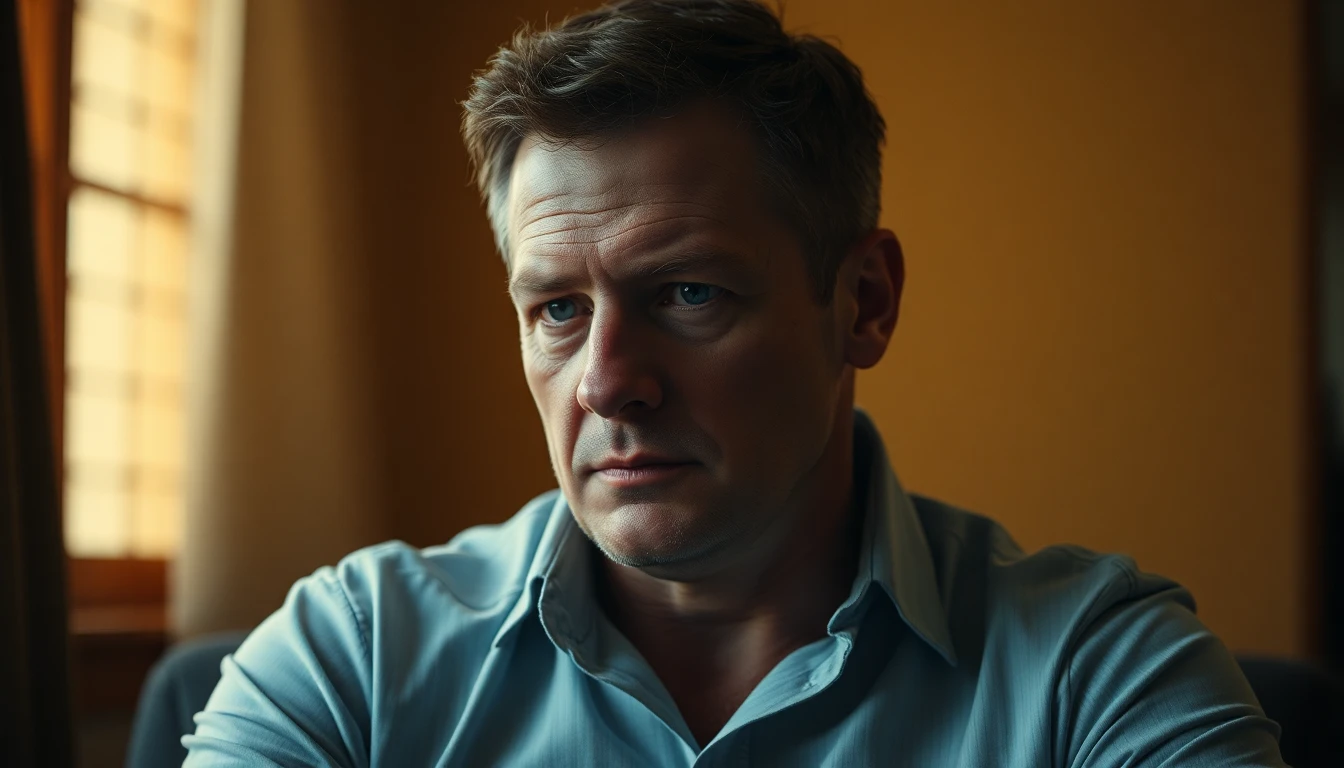
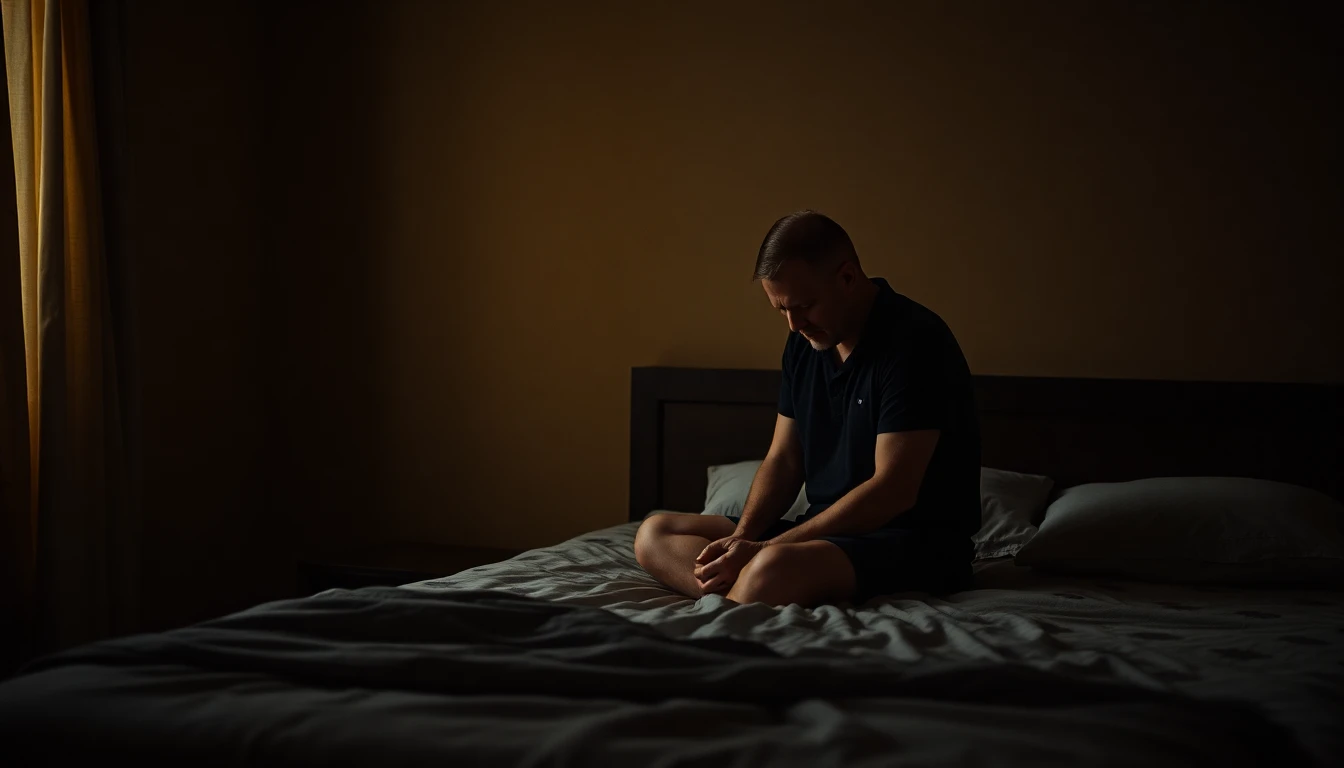
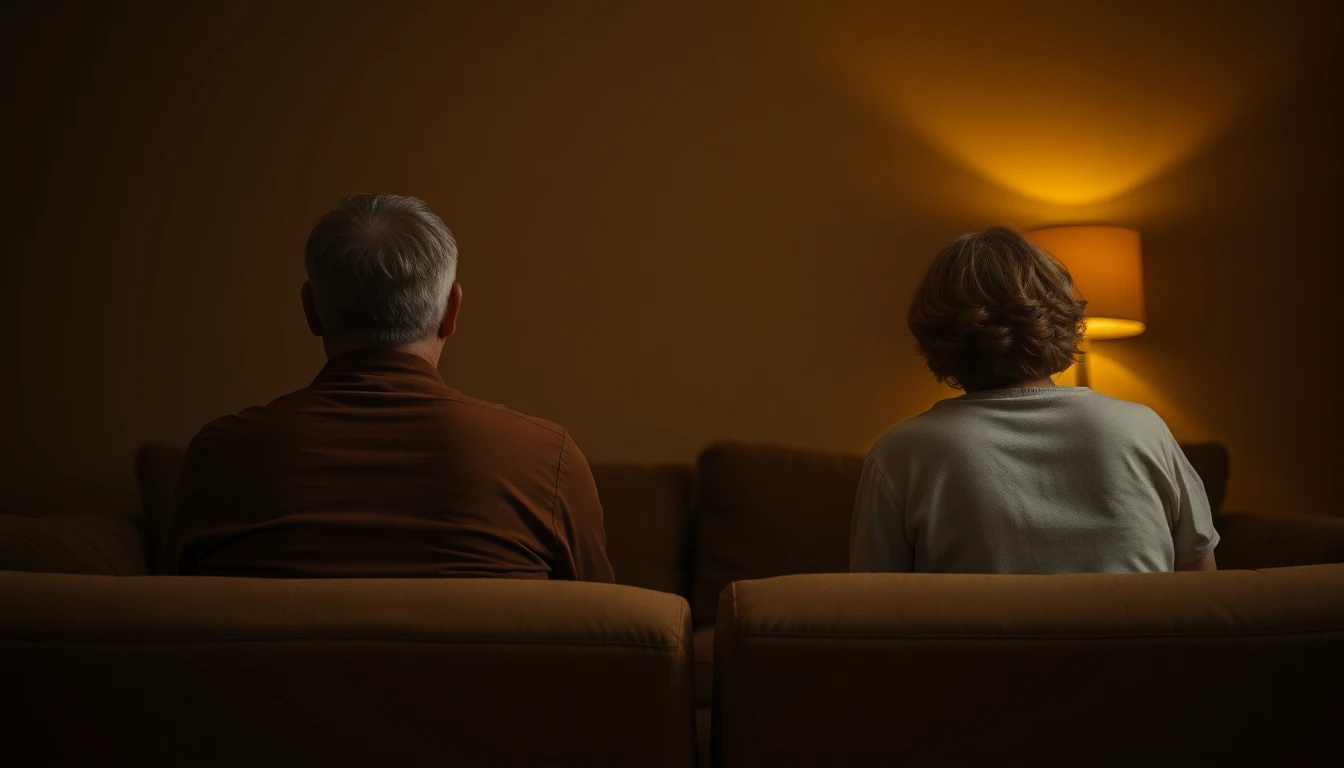
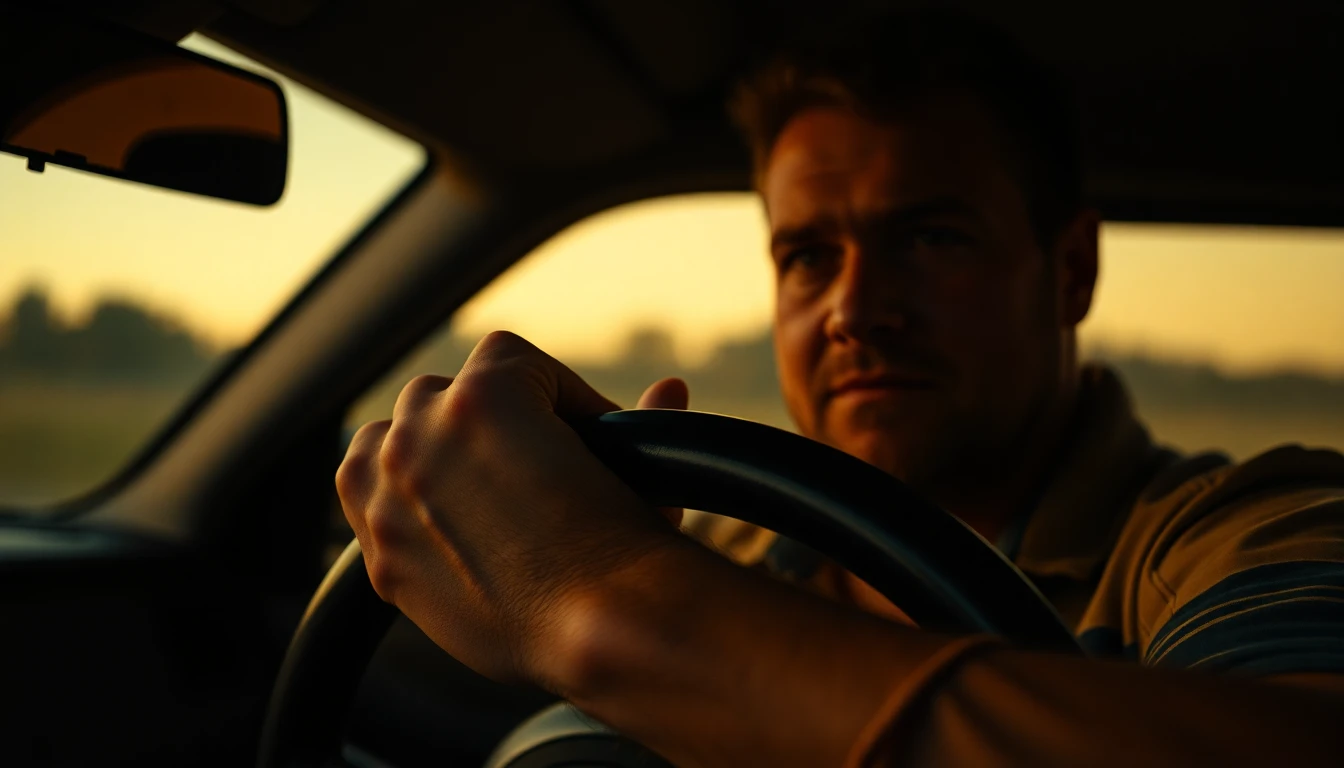
An illustrated story produced by mentalhealth.men — a true-to-life account, not a real individual.
What to do right now
You can't think your way out of a blow-up once you're in it — by then the thinking part of your brain is offline. The skill is catching it early. Here's where to start:
- Learn your body's early warning signs. Anger announces itself before it explodes: jaw clenching, shoulders tightening, heat in the face or chest, fists curling, voice rising, heart thumping. Start noticing yours. That's your smoke alarm.
- Take a real time-out — before it boils over. When you feel the build-up, say "I need ten minutes" and leave the room. Don't storm out — tell them you're coming back, then go. Walking away to cool down isn't weak and it isn't losing. It's the strongest move in the book.
- Breathe slow and long. Sounds soft. Isn't. Slow breathing — in through the nose, longer out than in, for a few minutes — is the fastest way to tell your body the threat's over. It physically winds down the alarm system.
- Walk it off. Movement burns the adrenaline that's flooding your system. Around the block, up the street, whatever. Hard exercise regularly helps too — angry energy needs somewhere to go.
- Don't drive and don't drink when you're lit up. A revved-up brain behind the wheel is dangerous, and alcohol takes the brakes off the exact part of you that's already struggling to hold on. If you're wound up, keys down, beer down.
- After a blow-up: own it and repair it. Don't pretend it didn't happen and don't drown in shame either — neither one fixes anything. Go back, look them in the eye, and say it plainly: "That wasn't okay. That's on me, not you. I'm sorry, and I'm working on it." Then actually work on it. Your kids learn more from watching you repair than they ever learn from watching you be perfect.
These tools manage the flame. They matter. But on their own they're a lid on a boiling pot — for the real fix, you have to get underneath it.
Key point: Pulling your temper into line isn't going soft. It's one of the strongest things a bloke can do for the people he loves.
What to do over time
- Start with your GP. Book a longer appointment and say it straight: "My temper is hurting my family and I want to sort it out." GPs hear this all the time — you won't shock anyone. Ask about a Mental Health Care Plan, which gets you Medicare-subsidised sessions with a psychologist.
- See a psychologist. This is where you find out what's actually under the anger — anxiety, depression, grief, trauma, ADHD, whatever it is for you — and learn practical tools that work for your situation. It's not lying on a couch talking about your childhood. It's skills training, and blokes are often surprised how practical it is.
- Look into a men's behaviour-change or anger program. These are group programs built for exactly this — men whose anger is damaging their relationships and who want to change. Sitting in a room with other blokes working on the same thing is powerful: no judgement, no pretending, real tools. The Men's Referral Service (1300 766 491) can point you to one near you.
- Deal with the fuel. Grog, no sleep, chronic stress and bottled-up pressure all shorten the fuse. You don't have to fix everything at once, but be honest about what's feeding it.
- Know that this is genuinely learnable. Managing anger is a skill, like reversing a trailer. Nobody's born with it, plenty of blokes were never taught it, and every one of them can learn it. Men with worse tempers than yours have turned it around completely. The single biggest predictor is simple: deciding you want to, and making one call.
When it's an emergency
This part matters, so read it straight.
If anyone's safety is at risk right now — including yours — leave the situation and call 000. Get out of the room, get out of the house if you need to, and get help. Nothing being argued about is worth someone getting hurt.
If your partner or kids are ever scared of you, or have been hurt, or feel unsafe in their own home — that's serious, and it can't wait. Hear this clearly: there is free, confidential, non-judgemental help made exactly for men in your position. Call the Men's Referral Service (No to Violence) on 1300 766 491. They won't shame you. They'll talk with you about what's happening and connect you with real support to change. Making that call is the act of a man taking responsibility — it might be the most important thing you ever do for your family.
If you're worried about your partner's or family's safety and wellbeing, 1800RESPECT (1800 737 732) is there 24/7.
And if you're in a dark place yourself — if the shame is getting on top of you — call Lifeline on 13 11 14, any hour, any night. You matter in this too.
Where to get help
- MensLine Australia — 1300 78 99 78 (mensline.org.au) — 24/7 phone and online counselling for men, including anger, relationships and family stress. A good first call, including from the ute before work.
- Men's Referral Service (No to Violence) — 1300 766 491 (ntv.org.au) — free, anonymous, confidential support for men who use anger, controlling or violent behaviour and want to change. They can also link you to behaviour-change programs near you.
- Your GP — ask for a longer appointment and a Mental Health Care Plan for Medicare-subsidised psychologist sessions. The most reliable on-ramp to proper, lasting help.
- 1800RESPECT — 1800 737 732 (1800respect.org.au) — 24/7 national counselling for anyone affected by domestic, family or sexual violence.
- Lifeline — 13 11 14 (lifeline.org.au) — 24/7 crisis support, any time things feel like too much.
- In an emergency — 000.
Sources and further reading
Did this help?
Last reviewed: June 2026 by B. Faulds. We re-check every page, link and phone number at least every six months.