Need help right now?
This information is general education only and is not a substitute for professional medical advice. If something here rings true for you, the best next step is a chat with your GP — and if you're in crisis right now, call Lifeline on 13 11 14, or 000 if life is in danger.
If you're not sure whether it's serious enough to get help, get help anyway.
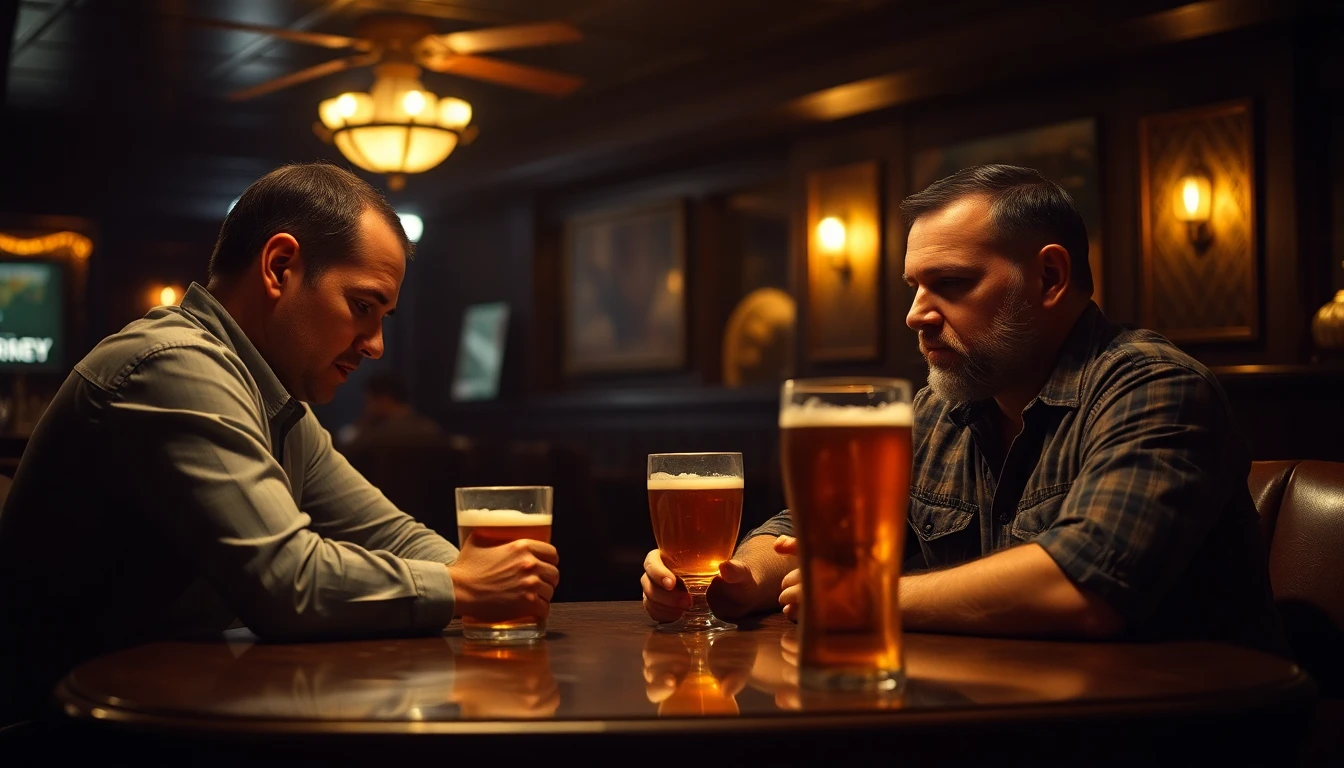
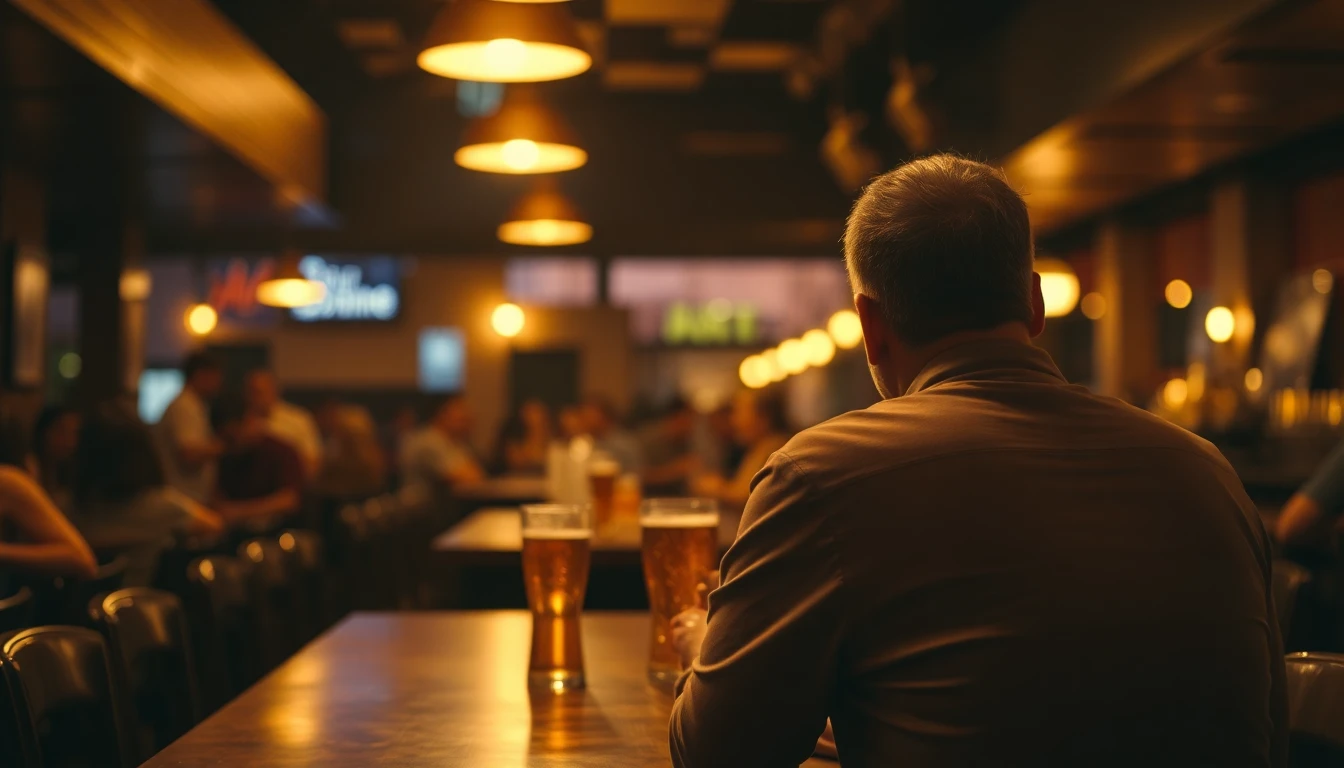
It usually doesn't feel like a problem. It feels like a beer after work. A punt on the footy. A scroll, a session, a bag on the weekend. Something that takes the edge off a hard day — until one day you notice the edge never really goes away, and the thing that used to help is now the thing running the show.
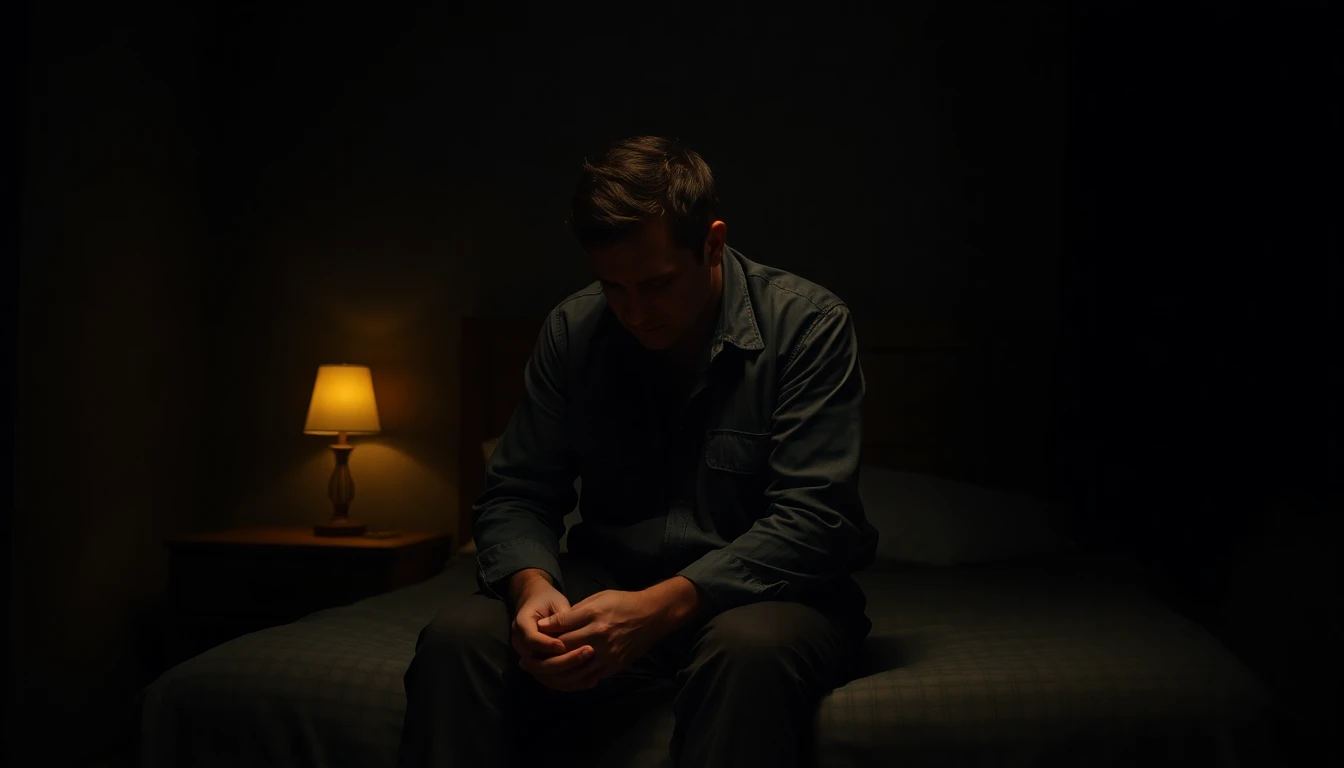
If that's where you are, you're in big company. Trouble with alcohol and drugs is common in men, and most blokes carry it alone for years before they say a word. Not because they're weak — because they're ashamed, and shame is the thing that keeps addiction alive.
So let's skip the shame entirely. This page is about what's actually happening, how to tell when a habit's crossed the line, and what genuinely works to get the wheel back. Plenty of men have done it. There's no reason you can't.
What's actually going on?
Whether it's grog, drugs, the pokies, a betting app, porn or gaming, the machinery underneath is the same. Your brain has a reward system — a circuit that lights up and says that was good, do it again. Addictive things hit that circuit hard. Do them enough, especially when you're stressed, bored or hurting, and the brain rewires: the habit stops being a choice you make and starts being a pull you fight.
That's why "just have some willpower" misses the point. You're not arguing with your better judgement — you're arguing with a trained circuit in your own head. It's also why good blokes with good jobs and good families get caught. Addiction isn't a character rating. It's a loop, and loops can be broken.
Key point: “Just have some willpower” misses the point — you're not arguing with your judgement, you're arguing with a trained circuit in your own head.
And here's the question that matters more than "how much": who's driving? It's not really about whether you drink six beers or two, or how many hours you game. It's about control and cost. Can you stop when you decide to? Is it costing you — money, sleep, your relationship, your self-respect — and you're doing it anyway? Are you hiding it? If the honest answer makes you wince, that's not a reason to beat yourself up. It's just information, and it's the first thing every bloke who's recovered had to look at.
Key point: The question that matters isn't how much you drink or bet. It's: can you stop when you decide to — and is it costing you, and you do it anyway?
Signs to look for
A habit's becoming a problem when a few of these start showing up:
In what you do
- Needing more to get the same effect — more drinks, bigger bets, longer sessions
- Trying to cut back and not managing it (more than once)
- Hiding it — deleting history, secret accounts, drinking before you go out, lying about money
- Organising your day around it, or getting twitchy when you can't get to it
- Dropping things that used to matter — sport, mates, family time
In your body and head
- Feeling rough, edgy or flat when you haven't had it
- Thinking about it when you're meant to be doing other things
- Guilt or disgust afterwards, then doing it again anyway
- Sleep, mood and energy going downhill
In your life
- Money disappearing — unexplained withdrawals, maxed cards, dipping into savings or the kids' account
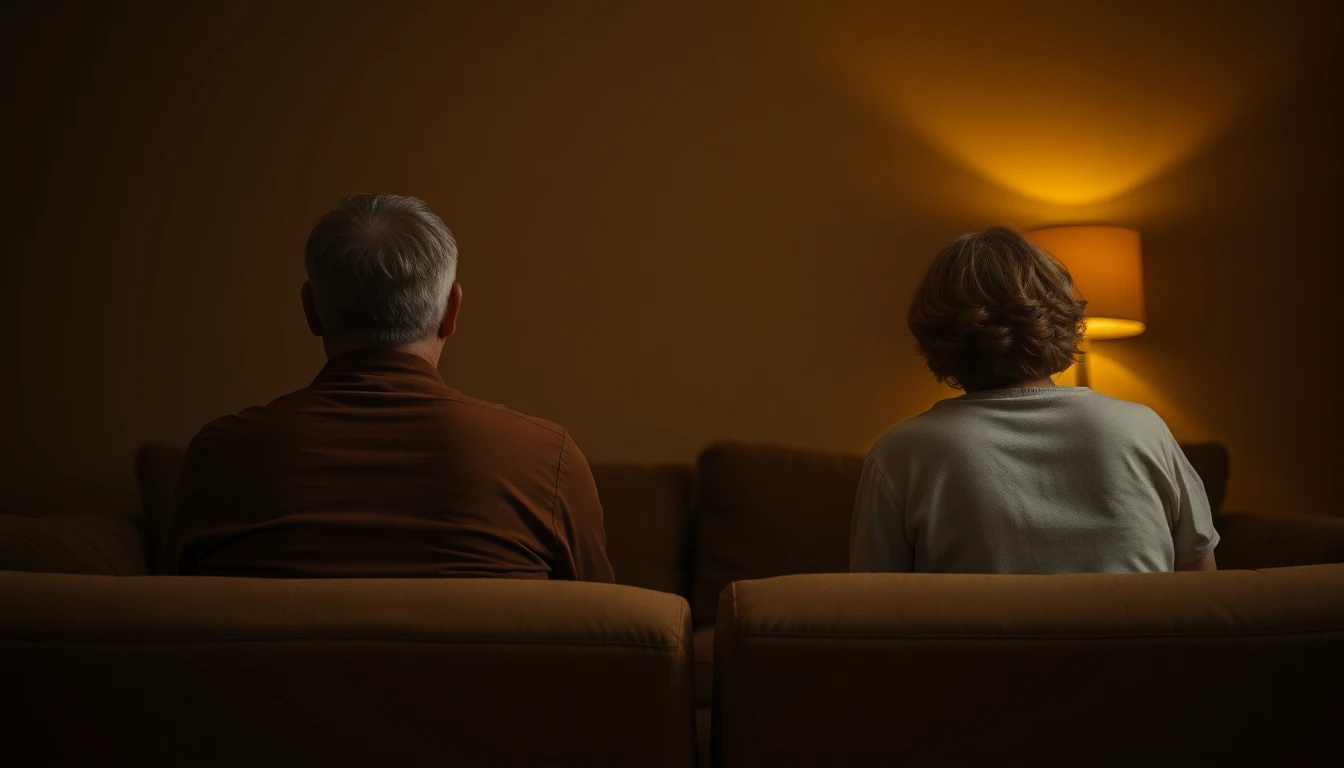
- Rows with your partner about it, or going quiet to avoid the rows
- Showing up to work tired, foggy or still half-cooked
- Near misses — driving when you shouldn't, betting money that was for rent
What to do right now
You don't have to fix your whole life today. Pick one:
- Get honest with yourself first. Track it for one week — every drink, bet, session, hit. No changing anything, just counting. Most blokes find the number is the wake-up call, and you can't beat something you won't look at.
- Tell one person. Partner, mate, brother. "I think this has gotten away from me" is a complete sentence. The secret is half the weight.
- Make one free phone call. For alcohol or drugs, the National Alcohol & Other Drug Hotline — 1800 250 015 — is free, confidential and open 24/7. For gambling, it's Gambler's Help — 1800 858 858, also free and 24/7. You don't need to have hit rock bottom. "I'm worried about where this is heading" is exactly what they're there for.
- Put a speed bump between you and it. Delete the betting apps. Don't keep grog in the house. Move the console out of the bedroom. Hand your card to your partner for the weekend. You're not relying on willpower — you're making the loop harder to run.
- Book a GP appointment. Say it straight: "I think my drinking's become a problem." They've heard it a thousand times and they won't blink.
One important safety note: if you've been drinking heavily every day, don't stop suddenly on your own — coming off alcohol cold can be dangerous. Talk to your GP or call the hotline above first; they'll help you do it safely.
And one thing NOT to do: don't swap one escape for another and call it progress — off the punt and onto the piss is the same loop with a new coat of paint.
Key point: Addiction isn't a character rating — it's a loop, and loops can be broken. Blokes who recover almost never do it solo.
What to do over time
Lasting change is built, not willed. Here's what the road usually looks like:
- Get support around you — this is the big one. Blokes who recover almost never do it solo. AA (Alcoholics Anonymous) and NA (Narcotics Anonymous) meetings run everywhere in Australia, they're free, and you can sit up the back and just listen. If the 12-step style isn't your thing, SMART Recovery is a practical, science-based alternative that works for any addiction — gambling and gaming included. Walking into your first meeting is the hardest step; every bloke in the room has done it. You'll find support groups, counselling services and rehab options near you on our find help page.
- See your GP properly. They can check what the habit's been doing to your body, talk through options for coming off safely, and set you up with a Mental Health Treatment Plan for Medicare-rebated psychology sessions — because addiction very often travels with stress, depression or old wounds, and treating what's underneath is half the job.
- Get counselling for the addiction itself. Gambler's Help offers free face-to-face and phone counselling. Free alcohol and drug counselling is available in every state — the National Alcohol & Other Drug Hotline will connect you.
- Replace, don't just remove. The habit was doing a job — switching your head off, killing boredom, giving you a buzz. Find it a new employee: training, fishing, a team, a project. An empty space where the habit was is a relapse waiting to happen.
- Know that relapse is common — and recoverable. Most blokes who beat an addiction slipped along the way. A lapse isn't proof you can't do it; it's a normal part of how recovery actually goes. The move isn't to give up — it's to tell someone the same day, look at what triggered it, and get back on. One bad night doesn't erase three good months.
Where to get help
Free phone lines, open 24/7, completely confidential:
- National Alcohol & Other Drug Hotline — 1800 250 015 — counselling, advice and referral for alcohol and any drug
- Gambler's Help — 1800 858 858 — free counselling and support for gambling, including for family members
- MensLine — 1300 78 99 78 — men's counselling for whatever's underneath it
- Lifeline — 13 11 14 — crisis support
- 13YARN — 13 92 76 — for Aboriginal and Torres Strait Islander people, run by mob
The GP path: any GP can be your starting point. They'll help you plan a safe way off alcohol or drugs, refer you to local services, and set up a Mental Health Treatment Plan — up to 10 Medicare-rebated psychologist sessions a year. If cost is worrying you, don't let it: the hotlines are free, AA, NA and SMART Recovery meetings are free, Gambler's Help counselling is free, and Medicare Mental Health — 1800 595 212 can point you to free and low-cost services near you. Money should never be the reason a bloke stays stuck.
Support groups and rehab: our find help page lists support groups, counselling services and rehab options around Australia.
When it's an emergency
Some moments can't wait for a counselling appointment. Call 000 straight away if:
- Someone has taken something and is unresponsive, fitting, or struggling to breathe
- Someone coming off heavy drinking is confused, shaking badly or seeing things
- You or someone else is talking about suicide, feels unable to stay safe, or has been having dark thoughts that are getting stronger — addiction and despair often travel together, and that combination needs urgent care, not white-knuckling
For urgent support right now:
- 000 — any immediate danger
- Lifeline — 13 11 14 (24/7)
- Suicide Call Back Service — 1300 659 467 (24/7)
- 13YARN — 13 92 76 (24/7, for Aboriginal and Torres Strait Islander people)
- Or go straight to your nearest hospital emergency department — and be honest about what's been taken or how much you've been drinking; they're there to help, not judge
Asking for help at the worst moment isn't hitting bottom. It's the first decision of the comeback — and reaching out is strength.
Sources and further reading
- Alcohol & Drug Foundation — facts about alcohol and drugs, and how to get support
- Healthdirect — Addictions — signs of addiction and treatment options
- Gambling Help Online — free 24/7 gambling support, counselling and self-exclusion info
- Beyond Blue — support for the anxiety and depression that often sit underneath addiction
- MensLine Australia — 24/7 counselling for men, including for addiction and relationship strain
Did this help?
Last reviewed: June 2026 by B. Faulds. We re-check every page, link and phone number at least every six months.